
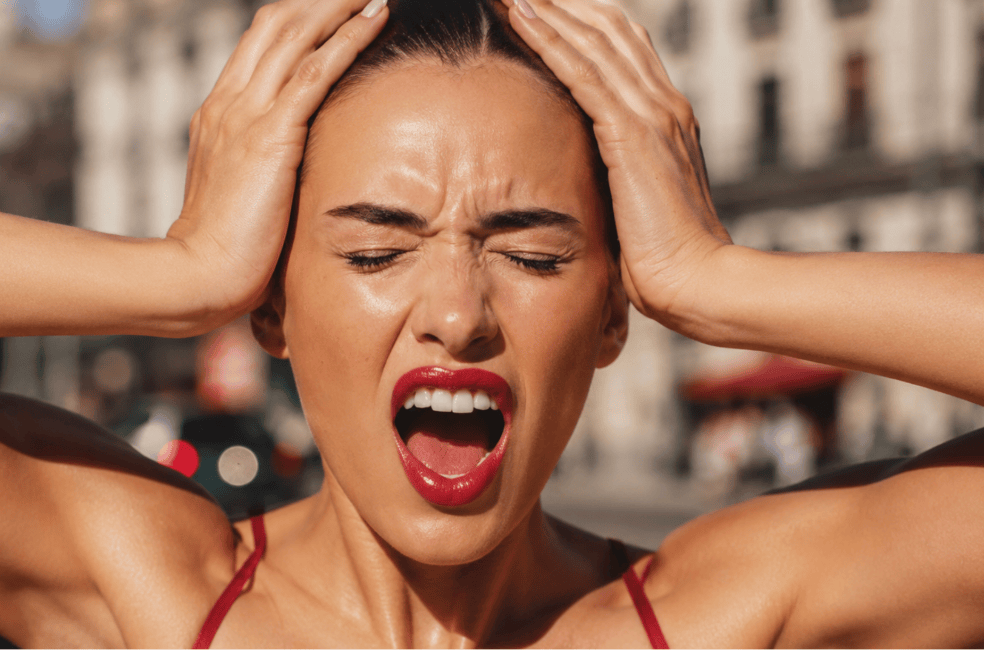
Heat anxiety in summer
Summer is often associated with vacations, longer days, outdoor plans, and a slower pace. But for many people, hot weather does not feel relaxing at all. Instead, it can bring a very real sense of tension: a racing heart, shortness of breath, dizziness, irritability, nausea, or the fear that something is wrong with your body. This experience is often described as heat anxiety.
Heat anxiety is not simply “disliking summer.” It is the anxious response that can happen when heat-related body sensations feel similar to panic symptoms. When your body is working harder to cool itself down, you may sweat more, breathe differently, feel lightheaded, or notice your heartbeat more intensely. For someone who is already prone to anxiety, those sensations can become alarming very quickly.
The important thing to know is this: heat anxiety is understandable, and it can be managed. The goal is not to pretend the heat is comfortable. The goal is to learn how to recognize what is happening in your body, respond with practical care, and avoid turning every summer outing into a source of fear.
Medically reviewed by: Dr. Mel Corpus, Licensed Clinical Psychologist
Written by: Sessions Editorial Team
Last updated: 06, 2026
Clinical note: This article is for educational purposes only and does not replace a professional mental health evaluation.
Why does summer heat make me anxious?
Summer heat can make you anxious because the body’s natural cooling response can feel a lot like anxiety or panic. When temperatures rise, your body works to regulate itself through sweating, increased blood flow to the skin, and changes in breathing and energy levels. If you are dehydrated, tired, overstimulated, or exposed to heat for too long, you may feel dizzy, weak, nauseous, short of breath, or unusually irritable.
The CDC lists symptoms of overheating such as heavy sweating, dizziness, headache, weakness, nausea, shortness of breath, and muscle cramping (Centers for Disease Control and Prevention [CDC], 2025).
For someone with anxiety, these sensations can be misread as danger: “What if I faint?” “What if I’m having a panic attack?” “What if I can’t calm down?”
That fear can create a feedback loop. You notice your heart racing. You become afraid of the sensation. The fear increases your adrenaline. Your heart beats faster. Then the heat feels even more unbearable. This is one reason heat anxiety can escalate quickly, especially in crowded places, outdoor events, traffic, public transportation, or anywhere you feel “trapped” without easy access to shade or air conditioning.
The overlap between heat symptoms and panic symptoms matters. Panic attacks can include a pounding heart, sweating, trembling, difficulty breathing, dizziness, chest discomfort, nausea, and fear of losing control (National Institute of Mental Health [NIMH], n.d.).
When hot weather produces similar sensations, the brain may interpret discomfort as a threat, even when there is no immediate danger.
What heat anxiety can feel like
Heat anxiety may look different from person to person. Some people feel it before they even leave the house because they are anticipating how hot it will be. Others feel fine at first, but anxiety rises once they start sweating or feel lightheaded.
Common signs of heat anxiety may include:
- Feeling on edge or unusually irritable in hot weather
- Rapid heartbeat or palpitations
- Shortness of breath or shallow breathing
- Dizziness or fear of passing out
- Nausea or stomach discomfort
- Sweating that triggers embarrassment or panic
- Constantly checking the body for symptoms
- Avoiding outdoor plans, travel, exercise, or social events in summer
- Feeling trapped when there is no immediate access to air conditioning
It is also possible for heat anxiety to show up as anger or impatience. Heat can make the nervous system feel overloaded. Small inconveniences may feel bigger than usual, especially if you are dehydrated, sleep-deprived, or already under stress.
At the same time, it is important not to dismiss physical symptoms. Anxiety can feel intense, but heat-related illness is also real. Heat exhaustion can involve headache, nausea, dizziness, weakness, thirst, heavy sweating, elevated body temperature, and reduced urination (National Institute for Occupational Safety and Health [NIOSH], 2026). Heat stroke is a medical emergency and may include confusion, altered mental status, loss of consciousness, seizures, very high body temperature, or hot, dry skin or profuse sweating (NIOSH, 2026).
If symptoms are severe, unusual, or worsening, it is always safer to seek medical help.
Heat exhaustion vs. anxiety: why the difference matters
One of the most stressful parts of heat anxiety is not knowing whether you are anxious, overheated, dehydrated, or all three. The truth is that these experiences can overlap. Anxiety can make you breathe faster and scan your body more closely. Heat can make your body feel physically strained. Dehydration can intensify fatigue, dizziness, and irritability.
A practical way to respond is to avoid arguing with your body and start supporting it. Move to a cooler place if possible. Sip water. Loosen tight clothing. Slow your breathing. Place a cool cloth on your neck or wrists. Give your body a few minutes to settle before deciding that something is seriously wrong.
However, if you feel confused, faint, unable to cool down, have chest pain, experience severe shortness of breath, stop sweating despite intense heat, or feel that your symptoms are rapidly worsening, do not treat it as “just anxiety.” Get medical attention.
This distinction is especially important for people taking certain medications, people with cardiovascular conditions, older adults, children, pregnant individuals, and people who work or exercise outdoors. The CDC notes that certain groups may need extra precautions on hot days, including people with chronic medical conditions, older adults, young children, and people exercising or working outside (CDC, 2025).
What is high functioning anxiety?
High functioning anxiety is not a formal diagnosis, but it is a useful way to describe people who appear calm, productive, and capable while internally feeling anxious, tense, or overwhelmed. Someone with high functioning anxiety may meet deadlines, manage responsibilities, and look “fine” on the outside, while privately dealing with racing thoughts, perfectionism, difficulty resting, overthinking, reassurance-seeking, or fear of failure.
Cleveland Clinic describes high-functioning anxiety as a pattern in which a person feels anxious but still appears able to manage daily demands effectively (Cleveland Clinic, 2022). This can be especially relevant during summer because people with high functioning anxiety may push through discomfort instead of respecting their limits.
For example, someone may say yes to an outdoor gathering even though they are worried about the heat. They may ignore early signs of dehydration because they do not want to seem difficult. They may hide their anxiety until the discomfort becomes overwhelming. In that sense, heat anxiety can be harder to spot in high-achieving people because they often minimize what they feel.
The problem is not weakness. The problem is overcontrol. When the body is asking for rest, cooling, hydration, or space, a person with high functioning anxiety may respond by pushing harder. Over time, that can make summer feel like something to endure rather than something to experience safely.
Common summer triggers that can make heat anxiety worse
Hot weather is rarely the only trigger. Heat anxiety often becomes stronger when several stressors happen at once. A person may be able to handle a warm day, but not a warm day combined with poor sleep, too much caffeine, crowded plans, alcohol, travel stress, and no access to shade.
Common summer triggers include outdoor weddings, concerts, amusement parks, beach days, long drives, packed restaurants, airports, outdoor workouts, and family gatherings. These settings can be enjoyable, but they can also create sensory overload. Noise, bright sun, dehydration, social pressure, and lack of control can make the nervous system feel overstimulated.
Alcohol and caffeine can also play a role. The CDC recommends considering limits on beverages high in sugar and sodium, caffeine, and alcohol during hot weather (CDC, 2025). This does not mean everyone has to avoid coffee completely. But if you are prone to heat anxiety, drinking multiple iced coffees before spending hours outside may make your body feel more activated.
Sleep matters too. When you are sleep-deprived, the nervous system has less capacity to regulate stress. A hot night with poor sleep can make the next day feel more emotionally fragile. That is why preventing heat anxiety often starts before you even step outside.
What is the #1 worst habit for anxiety?
The #1 worst habit for anxiety is avoidance that quietly makes your life smaller.
Avoidance feels helpful in the short term because it lowers anxiety quickly. If you avoid the outdoor event, skip the trip, cancel the plan, or refuse to leave the house when it is hot, your nervous system gets immediate relief. The problem is that your brain may learn the wrong lesson: “The only reason I stayed safe is because I avoided the situation.”
Over time, this can make heat anxiety stronger. The person becomes afraid not only of heat, but of any place where heat might happen. Summer starts to feel unsafe. Normal body sensations become suspicious. The world becomes narrower.
Research on anxiety has long recognized avoidance as a behavior that can maintain fear over time, even when it reduces distress in the moment (Hofmann & Hay, 2018). This is why exposure-based therapies are often used for anxiety: they help people gradually and safely face feared sensations or situations while learning that discomfort does not always mean danger (American Psychological Association, n.d.).
This does not mean forcing yourself into unsafe heat. It means creating a realistic plan. For example, instead of avoiding all outdoor activities, you might begin with a short morning walk, carry cold water, wear breathable clothing, stay near shade, and practice calming your body without immediately escaping. The goal is to teach your nervous system: “I can feel warm and still respond wisely.”
How to calm anxiety in heat
When heat anxiety rises, the first step is to care for the body before trying to reason with the mind. Anxiety responds better when the body feels safer.
Start by cooling down. Move into shade or air conditioning. Sip water slowly. Place something cool on your neck, chest, or wrists. If you are wearing tight clothing, loosen it. Try to reduce stimulation: lower the noise, sit down, step away from the crowd, or close your eyes for a moment.
Then, slow your breathing. You do not need a complicated technique. Try inhaling gently through the nose for four counts and exhaling slowly for six counts. Longer exhales can signal safety to the nervous system. If breathing exercises make you more aware of your body and increase panic, focus instead on grounding: name five things you see, four things you feel, three things you hear, two things you smell, and one thing you can taste.
It also helps to reduce symptom checking. Constantly monitoring your pulse, temperature, breathing, or dizziness can keep the brain locked onto threat. Instead of asking, “Is this anxiety or something dangerous?” every few seconds, try asking, “What is one supportive action I can take right now?”
Supportive actions may include drinking water, resting, finding shade, texting a trusted person, taking a break from alcohol or caffeine, eating something light, or leaving an overheated environment when needed.

How to prevent heat anxiety before it starts
Prevention is not about controlling every detail. It is about giving your nervous system fewer reasons to panic.
Before going out, check the weather and plan around peak heat. Choose breathable clothing. Bring water. Eat enough. Limit caffeine if you know it makes your heart race. Build in shade or air-conditioning breaks. If you are going to an outdoor event, identify where you can step away if you need a moment.
It can also help to create a simple “heat plan.” This is especially useful for people who are prone to panic. Your plan might include:
- What you will bring: water, electrolytes if appropriate, sunglasses, cooling towel
- Where you can cool down: shade, car, restroom, indoor area
- What you will say to yourself: “This is uncomfortable, not automatically dangerous.”
- What you will do first: sit, sip water, slow breathing, cool neck/wrists
- When you will seek help: severe symptoms, confusion, fainting, chest pain, or symptoms that do not improve
A heat plan lowers uncertainty. And for many people with heat anxiety, uncertainty is the real trigger.
When to seek professional help for heat anxiety
You may benefit from professional support if heat anxiety is causing you to avoid normal activities, cancel plans repeatedly, fear leaving home in summer, experience recurrent panic attacks, or feel constantly preoccupied with body sensations. Therapy can help you understand your anxiety patterns, reduce fear of physical sensations, and build coping skills that actually fit your life.
Cognitive behavioral therapy can be especially helpful for panic-related anxiety because it teaches people to respond differently to feared sensations and thoughts (NIMH, n.d.). Therapy may also include grounding skills, exposure planning, nervous system regulation, and support for underlying stress, trauma, or perfectionism.
If anxiety is happening alongside depression, burnout, obsessive symptom checking, health anxiety, or relationship stress, getting support sooner can prevent the pattern from becoming more entrenched.
A calmer way to move through summer
Heat can be uncomfortable. For some people, it can be genuinely triggering. But heat anxiety does not have to control your summer or shrink your life. With the right tools, you can learn to listen to your body without fearing every sensation, prepare for hot days without overplanning, and participate in life with more confidence.
If anxiety in hot weather has started to affect your routines, relationships, travel, work, or sense of freedom, professional support can help. At SESSIONS, Dr. Mel Corpus and her team provide thoughtful, comprehensive care for individuals navigating anxiety, stress, cognitive concerns, and complex emotional experiences. Dr. Mel Corpus provides neuropsychological evaluations in neurodevelopmental, neurological, forensic, and medico-legal contexts, and SESSIONS offers a clinical space for people seeking clarity and support.