
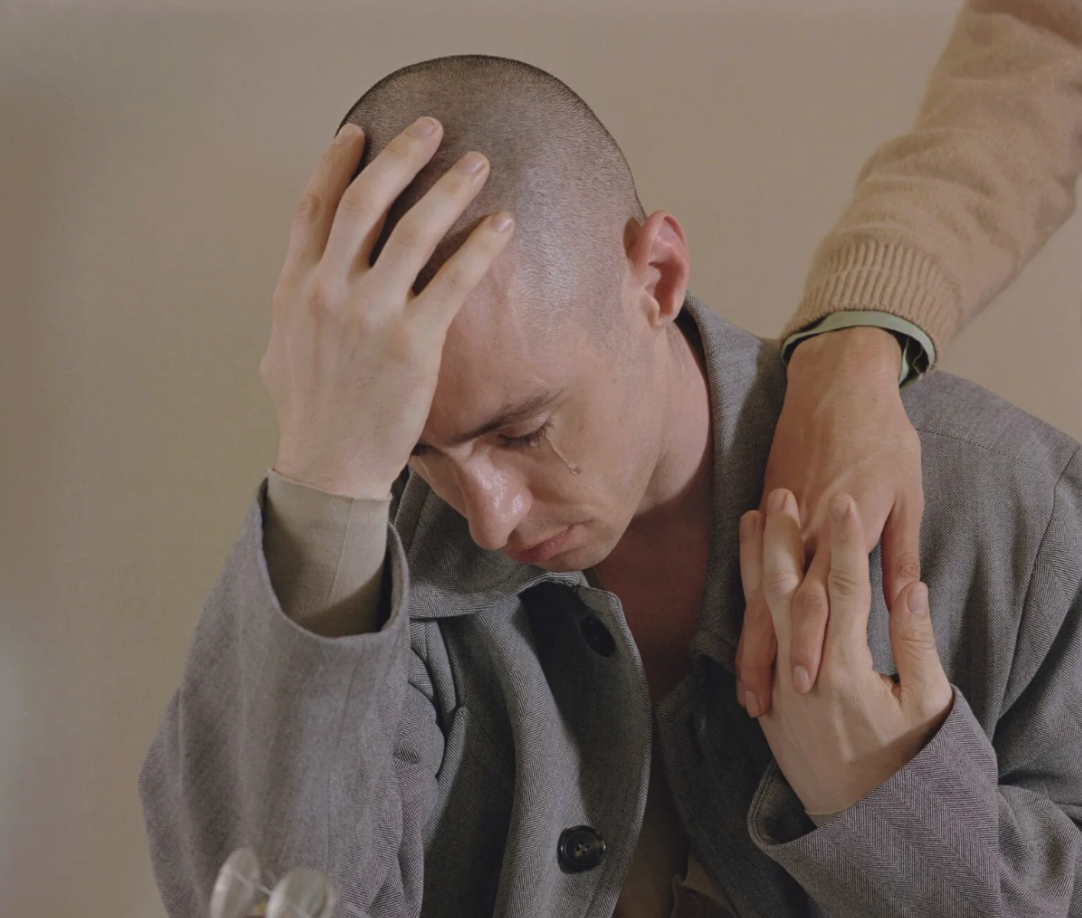
How to deal with chronic pain and depression?
Some people describe chronic pain as “noise.” Others describe it as “weight.”
For many, it is both.
It can start as back pain, migraines, joint pain, nerve pain, pelvic pain, or fibromyalgia symptoms that simply refuse to leave. At first, the focus is physical: where it hurts, how long it lasts, what medication helps, what activity triggers a flare. But as weeks turn into months, and months turn into years, something else begins to change. Sleep gets lighter. Patience gets thinner. Motivation fades. Social plans feel expensive. Work takes more effort than it used to. The internal dialogue gets harsh.
That is when many people finally ask the question directly: how to deal with chronic pain and depression?
It is an important question, and a medically grounded one. In the United States, chronic pain is highly prevalent. CDC data show that in 2023, 24.3% of U.S. adults reported chronic pain, and 8.5% reported high-impact chronic pain, meaning pain that frequently limits life or work activities (Lucas & Sohi, 2024). At the same time, depression symptoms remain common across the population; a recent NCHS data brief reported that 13.1% of people age 12 and older had depression symptoms during August 2021–August 2023 (Brody & Gu, 2025).
So if this overlap is happening to you—or someone you love—you are not imagining it, and you are definitely not alone.
Why does chronic pain affect mood so deeply?
Pain is never only a sensation. It is also an experience shaped by sleep, attention, fear, identity, stress, and social context.
When pain is persistent, it interrupts the basic routines that stabilize emotional health: restorative sleep, movement, social engagement, work confidence, and a sense of agency.
Over time, many people with chronic pain begin grieving parts of their previous life. Not just hobbies or exercise, but identity. The person who used to be spontaneous now needs contingency plans. The person who used to be reliable now worries about canceling. The person who used to feel sharp now struggles with concentration. That cumulative loss can become fertile ground for depression.
Importantly, this is not just a one-way street. Evidence suggests the relationship is bidirectional. A 2024 longitudinal study found that chronic pain and depressive symptoms can reinforce each other over time (Werneck et al., 2024). In practical terms, pain can worsen depression, and depression can increase pain intensity, disability, and perceived burden.
This is why the question how to deal with chronic pain and depression? cannot be answered with “just think positive” or “just fix the pain.” It requires integrated care.
Is this stress, burnout, or depression related to pain?
The distinction can be blurry in daily life. Many people do not initially feel “sad.” They feel exhausted, emotionally flat, disconnected, irritable, and mentally slow. They stop enjoying things they once cared about. They withdraw socially because explaining symptoms takes too much energy. They begin to believe that improvement is no longer possible.
When this pattern persists and starts to impair work, relationships, hygiene, sleep, or self-care, it should be treated as a clinical concern—not a personality issue.
A lot of patients wait too long before asking for mood screening because they fear being dismissed. Ironically, asking for screening can improve care quality. It helps clinicians treat the full burden, not just one symptom cluster.
Why do so many people feel misunderstood in this overlap?
Because chronic pain is often invisible, and depression is often masked. People can still look “functional” from the outside while internally running on survival mode. They keep replying to emails, showing up to obligations, and handling logistics, but at a heavy psychological cost.
Friends may say, “You seem okay.”
Coworkers may say, “You’re still productive.”
Family may say, “At least scans were normal.”
None of those statements capture what the person experiences between appointments, during night pain, or during the quiet emotional crashes after a flare day.
When pain is chronic, feeling unseen becomes its own stressor. And chronic stress can magnify both pain and depression symptoms.
What do current trusted guidelines suggest?
Recent U.S. guidance emphasizes individualized, multimodal care for pain. The CDC opioid prescribing guideline (Dowell et al., 2022) and related implementation resources stress balancing benefits and risks, avoiding rigid one-size-fits-all approaches, and integrating pharmacologic and nonpharmacologic strategies based on patient context. That means pain treatment should be personalized, continuously reviewed, and function-focused rather than reduced to one metric (CDC, 2024).
On the mental health side, WHO’s updated depression guidance (2025) reinforces that depression is treatable and that psychological interventions are core components of care. Medication may be appropriate depending on severity, history, and clinical evaluation, but treatment works best when tailored and monitored over time (WHO, 2025).
If you are wondering how to deal with chronic pain and depression?, the evidence-based answer is clear: treat both together, track both, and adjust care as life changes.
How does this look in real life?
Consider a few common scenarios.
A project manager with chronic low-back pain starts avoiding movement after repeated flare-ups. At first, this feels protective. Later, deconditioning increases stiffness and fear of activity. Sleep becomes fragmented. Small tasks feel overwhelming. They begin doubting their professional value and withdrawing from colleagues. Depression symptoms emerge gradually.
A student with recurrent migraines begins turning down plans because attacks are unpredictable. Social life narrows. Academic pressure climbs. Anxiety about the next episode fuels hypervigilance, and hopelessness grows. Depression appears less as sadness and more as emotional depletion and disconnection.
A parent with fibromyalgia experiences persistent pain plus cognitive fatigue. They feel guilty for not performing “like before.” This identity strain—combined with disrupted sleep and physical discomfort—can evolve into depressive thinking: “I’m failing everyone.”
These are not rare exceptions. They are exactly why this topic deserves serious clinical attention.
What helps when motivation is low and pain is high?
One of the hardest realities is that depression reduces initiation while pain increases avoidance. Waiting for motivation often prolongs suffering. What helps is a compassionate structure built around small, repeatable actions that protect function.
This does not mean forcing yourself into extreme routines. It means creating an achievable daily rhythm that sends your nervous system the message that life is still organized, even during symptoms.
Movement is a useful example. Not because exercise is a magic cure, but because consistency helps regulate mood, sleep, and pain sensitivity. A 2024 meta-analysis reported associations between higher daily step counts and lower depression risk/symptom burden in adults (Bizzozero-Peroni et al., 2024). The takeaway is not “walk and everything resolves.” The takeaway is that modest, regular movement can be one meaningful part of a broader plan.
Seep deserves attention in this conversation
Poor sleep amplifies pain and destabilizes mood. Night pain can fragment sleep architecture; insufficient restorative sleep can increase pain sensitivity the next day; then pain and fatigue can reduce activity and worsen mood. It becomes a cycle.
People often underestimate how much sleep regularity matters compared with sleep perfection. A stable wake time, reduced late-night stimulation, and a predictable wind-down routine can gradually improve both physical and emotional tolerance. These changes are not dramatic overnight, but they are often high-yield over weeks and months.
If you have been asking how to deal with chronic pain and depression?, think of sleep as a core treatment pillar, not a side habit.
Having thoughts like “I’m a burden” or “this will never improve”
These thoughts are common in chronic pain and depression, and they are deeply painful. They are also understandable responses to prolonged distress. But when repeated daily, they can increase helplessness and reduce treatment engagement.
A more therapeutic approach is not forced positivity—it is realistic cognitive flexibility.
Instead of: “Nothing helps.”
Try: “Some things help a little, and little gains can compound.”
Instead of: “I’m failing.”
Try: “I’m adapting under heavy load.”
Instead of: “This is permanent.”
Try: “My current state is real, but not necessarily final.”
Language does not erase pain, but it can reduce secondary emotional injury.

When pain feels like noise and weight, you deserve care that treats both body and mind.
How can someone ask for better care without feeling dismissed?
Bring concrete, functional data. Instead of only saying “my pain is worse,” describe what changed: sleep interruptions, canceled commitments, reduced concentration windows, emotional flattening, fear-driven avoidance, and loss of daily function.
This language helps clinicians understand your full burden and supports integrated planning. If mood has not been screened in your pain care, ask for screening directly. It is appropriate and evidence-aligned.
The role of relationships in recovery
A huge one. Isolation worsens depression and can increase pain distress. But social support must be the right kind. Advice like “just push through” usually increases shame. Supportive communication sounds more like: “I believe you,” “What helps on your flare days?” and “How can we keep you connected without overloading you?”
For patients, one useful shift is to replace all-or-nothing social plans with flexible connection. A shorter visit, a quiet call, or a low-energy check-in can protect belonging while respecting symptoms. Human connection is not optional in this recovery process; it is protective biology.
How can work life be managed more realistically?
Pain plus depression often reduces cognitive bandwidth, not intelligence. People may still perform well, but at a higher internal cost. Strategic pacing helps: using best symptom windows for demanding work, breaking long blocks into shorter intervals, reducing avoidable decision fatigue, and communicating early when accommodations are needed.
When possible, tracking symptom patterns against work output allows better scheduling, better expectations, and better clinical conversations.
Does medication fit into this, or should it be avoided?
There is no universal answer. Medication decisions should be individualized, regularly reviewed, and integrated with nonpharmacologic strategies when possible. Current guidance supports personalized risk-benefit assessment rather than rigid ideology (Dowell et al., 2022; CDC, 2024).
For some patients, medication is crucial. For others, benefit may be limited or side effects may outweigh gains. The point is thoughtful, monitored care—not blanket rules.
What can be done on flare days without losing momentum?
Flare days are emotionally dangerous because they often trigger catastrophic thinking. A practical approach is to define a “minimum viable day” in advance: preserve hydration, keep one grounding routine, follow your clinical plan, and maintain one small point of connection. This prevents full collapse and helps recovery begin sooner.
Progress in chronic conditions is not the absence of bad days. Progress is shorter spirals, better recovery speed, and less fear when symptoms spike.
How are self-harm urges connected to chronic pain and depression?
In some people, severe emotional overload from persistent pain and depression can lead to self-harm urges. This is a high-risk signal that deserves immediate, nonjudgmental clinical attention.
It is important to distinguish nonsuicidal self-injury (NSSI) from suicidal intent: they are not the same, but both require proper assessment and support. In pain-depression cases, common triggers can include sleep deprivation, intense flare days, shame after missed obligations, interpersonal conflict, or emotional numbness.
Early intervention matters. A written safety plan, trigger mapping, coping tools for urge peaks, and clear escalation steps can reduce relapse risk and improve safety outcomes.
How can someone support a loved one who self-harms?
Support works best when it is calm, direct, and compassionate. The goal is to reduce shame and increase safety.
Helpful responses include validating distress, asking directly about safety, encouraging professional care, and staying connected without control-based language. Unhelpful responses include minimizing, moralizing, or threatening abandonment.
If risk escalates, urgent care is appropriate. In the U.S., 988 provides 24/7 crisis support.
When is urgent support necessary?
If depression escalates into suicidal thoughts, active self-harm risk, inability to meet basic self-care, or unsafe substance use, seek urgent help immediately. In the U.S., 988 provides 24/7 crisis support by call or text.
Seeking urgent care is not failure. It is a life-protective health decision.
So, how to deal with chronic pain and depression in the long term?
Long-term improvement usually comes from combined treatment and steady habits, not quick fixes. People tend to recover in layers: better sleep stability, fewer severe crashes, improved emotional recovery after flares, more consistent function, stronger boundaries, and restored confidence.
Some pain may remain. But many people regain quality of life, purpose, and relational presence even before symptoms are perfect. That matters.
If this question keeps returning—how to deal with chronic pain and depression?—it may be your mind asking for integrated support, not more self-criticism.
You deserve care that treats your whole life, not only your pain score.
A final perspective worth keeping
- You are not weak because pain has affected your mood.
- You are not dramatic because you need support.
- You are not behind because your recovery is uneven.
- You are dealing with two serious, interacting health burdens. And both are treatable with the right strategy, the right team, and the right pacing.
Ready to feel like yourself again?
Find personalized care at Sessions Health
If chronic pain and depression are impacting your daily routine, sleep, work performance, or relationships, you don’t have to navigate it alone. Sessions Health offers personalized support that treats the full picture—both physical and emotional—so you can start rebuilding your quality of life with a plan that truly fits you.